
 Cynicism Should Win the Mid-Term Elections
By James Bovard
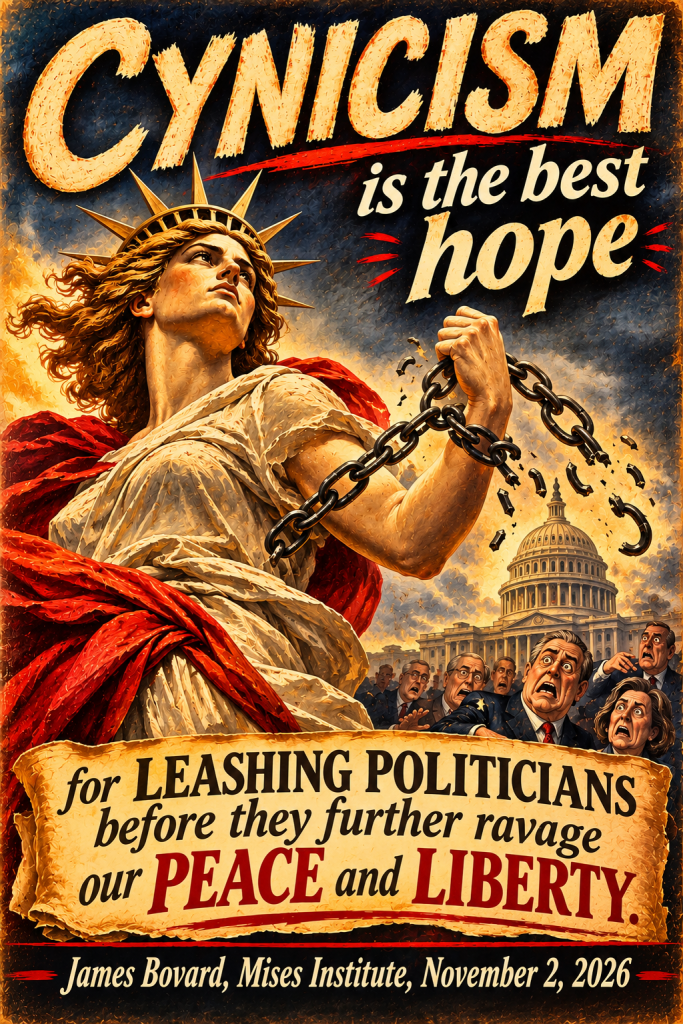
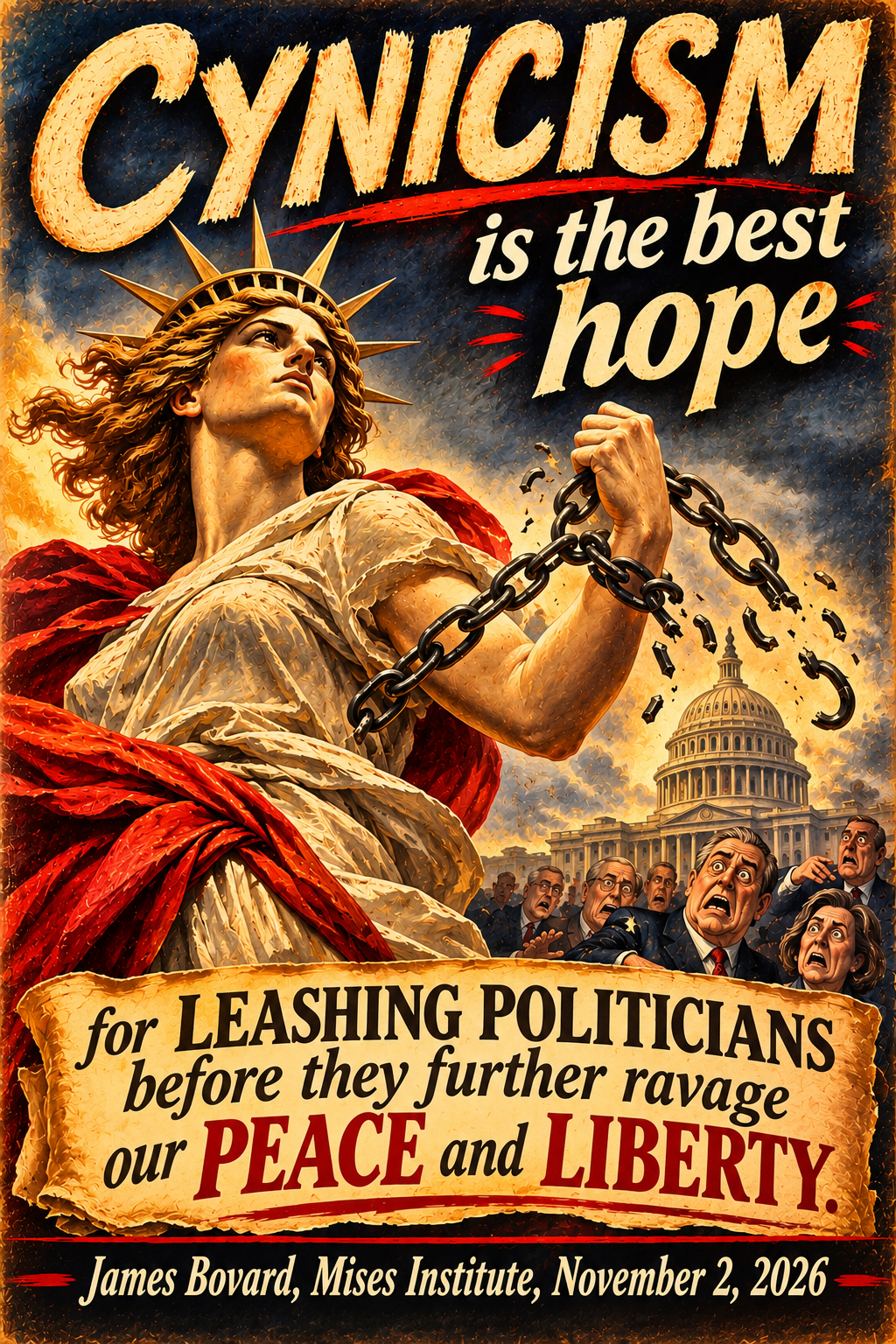
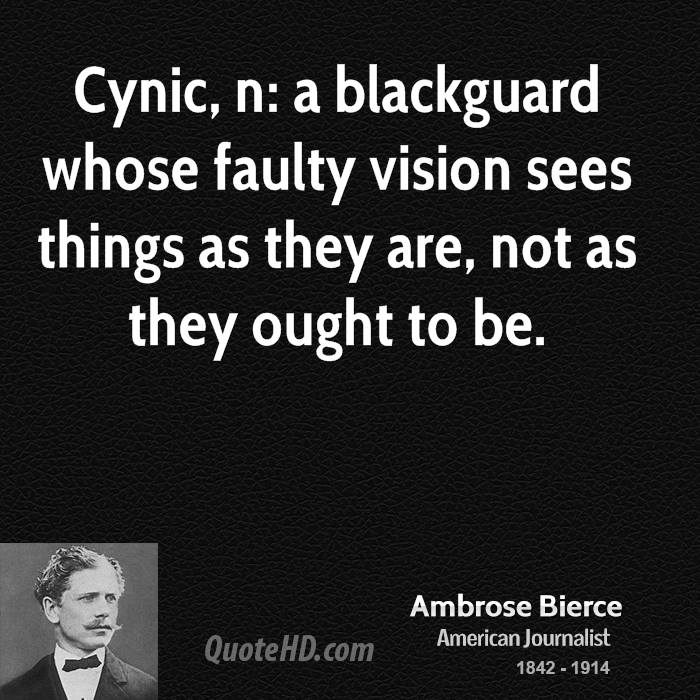
In an era of clueless voters and profoundly dishonest candidates, cynicism is one of the last best checks on political power run amok. Regardless of the final vote count in Tuesday’s mid-term congressional elections, both Republicans and Democrats have earned all the distrust they will reap.
Any hope that elections would safeguard the Constitution should have perished after 9/11. Consider the race for a U.S. Senate seat in Michigan. Democratic candidate Abdul El-Sayed talks as if the Second Amendment only protects Americans’ right to own the type of antique flintlock muskets used to fight the British Army at Yorktown. Republican candidate Mike Rogers has devoted his congressional career to championing the Deep State and obliterating the Fourth Amendment’s prohibition on warrantless unreasonable searches. After Edward Snowden exposed a vast National Security Agency crime spree, Rogers exonerated Uncle Sam’s secret surveillance: “You can’t have your privacy violated if you don’t know your privacy is violated.”
But whoever Michigan voters send to the Senate will take an oath to uphold and defend the Constitution, right? As former U.S. senator Bob Kerrey explained in 2013, “The problem is, the second your hand comes off the Bible, you become an asshole.”
Denouncing cynicism is an anesthetic the political elite inject to stifle hostile reflexes. When California Gov. Gavin Newsom addressed the United Nations’ “High-level Event on Climate Action and Just Transition” (hey, I didn’t make up that name), he hailed the lackeys in the audience: “Thank you for being the antidote to that cynicism, fear, and anxiety.” Newsom’s environmental mandates pointlessly impoverish Californians but assure him deity treatment in the media.
Americans are schooled to trust the regimes that domineer their lives. But that storyline becomes harder to prop up each time the political parties rotate power in Washington.
In modern American history, the most audacious liars have been the greatest self-proclaimed enemies of cynicism. “The only deadly sin I know is cynicism,” declared President Lyndon Johnson in a 1967 press conference on how the Vietnam War was going great. In a 1973 nationally televised speech, President Richard Nixon declared, “I reject the cynical view that politics is inevitably, or even usually, a dirty business” before deluging viewers with false claims on the burgeoning Watergate scandal.
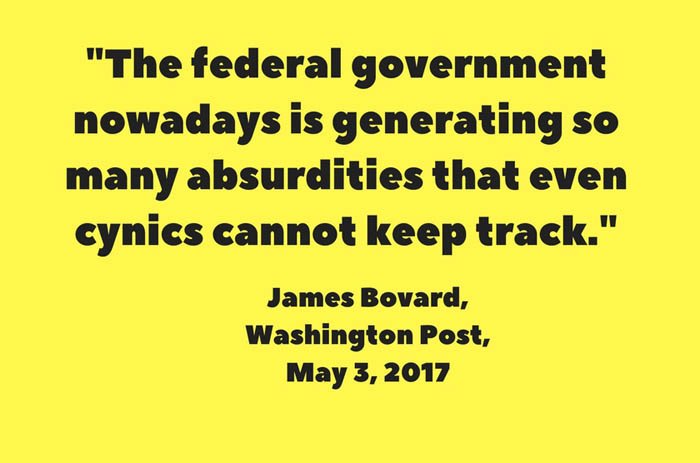
In 1994, President Clinton derided citizens who “indulge themselves in the luxury of cynicism” for betraying the American soldiers who died on D-Day in 1944. In 1997, Clinton declared that people can make America “better if we will suspend our cynicism.” This is the Peter Pan theory of public service: if only people believed government has magical powers, politicians could achieve miracles. After his impeachment, Clinton castigated “fashionable cynicism” as “self-indulgent arrogance that has no place in America.” But it wasn’t cynics’ fault that Clinton helped make presidential candor an endangered species.
George W. Bush exploited the revulsion against Clinton, promising America “a fresh start after a season of cynicism” when he launched his presidential campaign in 1999. In his first inaugural address, President Bush touted positive thinking about politicians as civic duty, lecturing Americans on their “calling” to make a “determined choice of trust over cynicism.” In the same 2002 State of the Union where he uncorked “the Axis of Evil” to pave the way to war with Iraq, Bush declared, “Deep in the American character, there is honor, and it is stronger than cynicism.” Bush repeatedly rebuked the cynicism of anyone who refused to cheer his invasion of Iraq.
Barack Obama exploited the revulsion against Bush, proclaiming in 2007 that “my rival in this [presidential] race is not other candidates. It’s cynicism.” Six years later, President Obama exhorted college graduates to beware of the “creeping cynicism” and people who “warn that tyranny is always lurking just around the corner.” He did not seize that opportunity to show how he acquired the prerogative to order drone killings of American citizens by his own decree.
Politicians denouncing cynicism are akin to used car salesmen telling customers to ignore the engine clunking during a test drive. Cynicism is blowback from decades of deceit. Most of the major political power grabs in modern history have been propelled by official falsehoods, as have all the major wars since 1950. Perpetual bipartisan chicanery explains why only 17% of Americans trust the federal government nowadays.
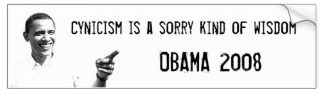
Cynicism often arises because politicians judge themselves by their rhetoric while citizens judge them by their (mis)deeds. The alternative to cynicism is pretending that politicians are more honest than they sound. Are politicians, like underage delinquents, entitled to have all their prior offenses expunged?
 Cynicism is necessary because the political playing field is often tilted in favor of servility. Politicians are almost never held personally responsible for their falsehoods, follies and fiascos. Scores of millions of people will unquestioningly obey no matter what Washington commands.
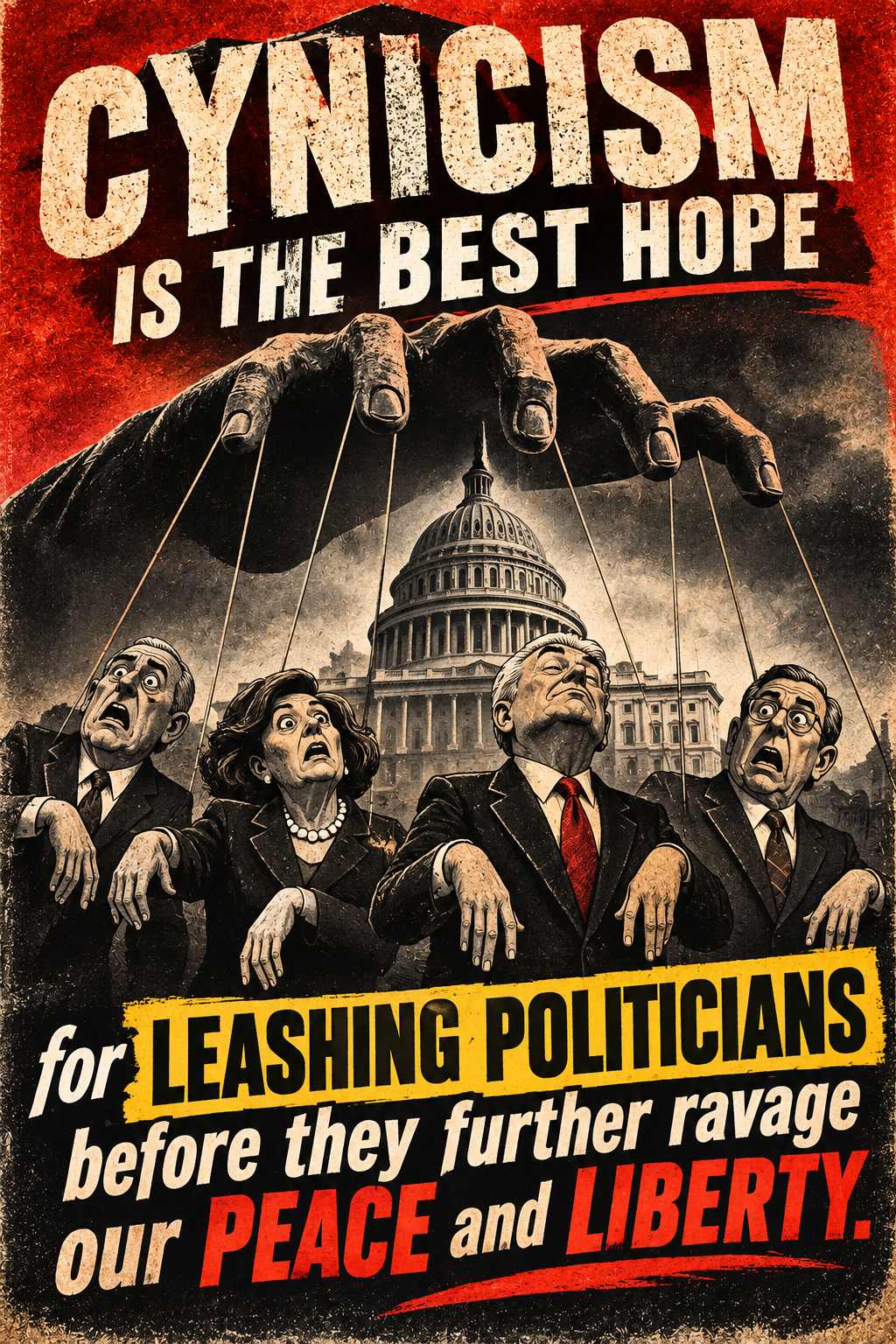
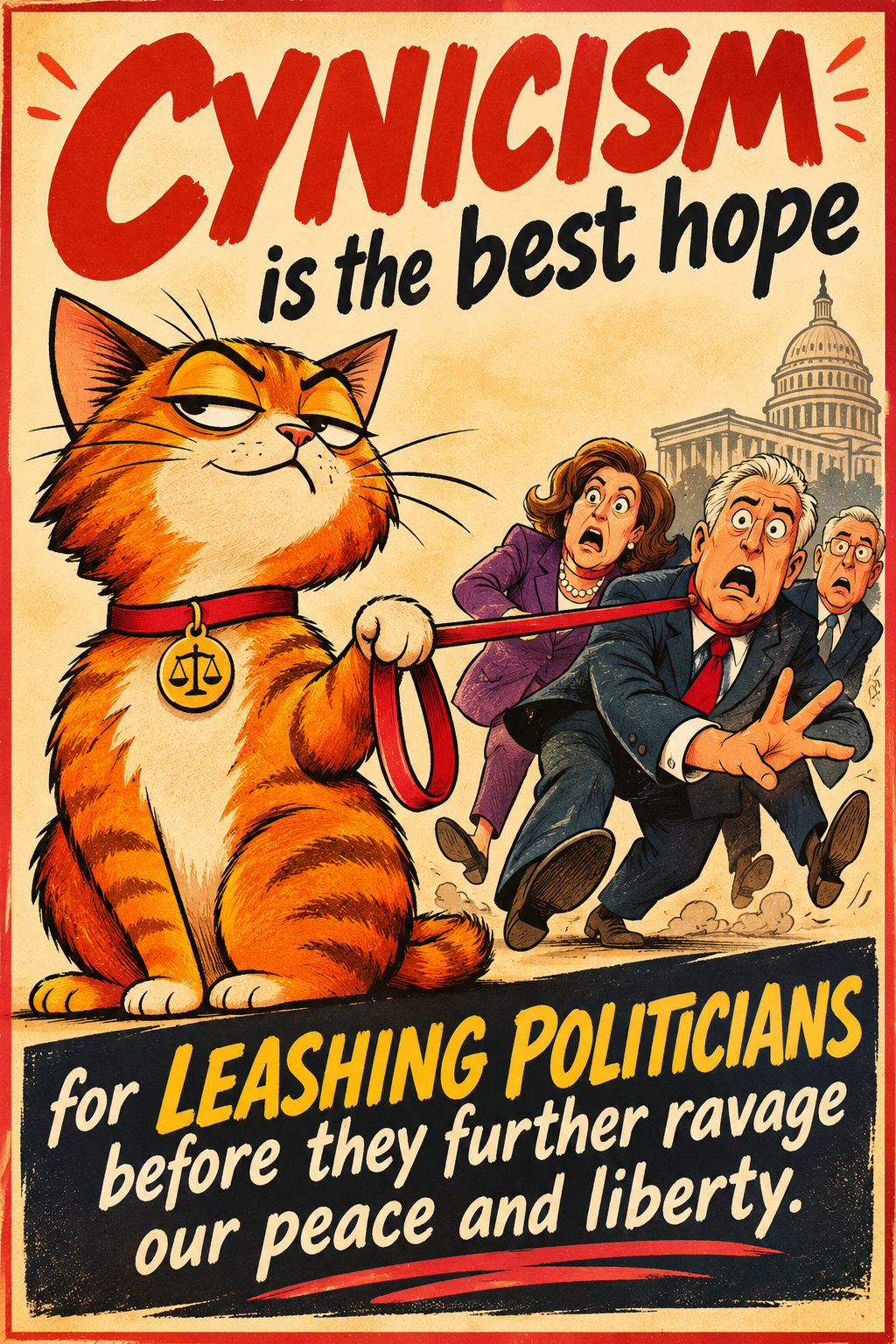
Cynicism is a form of political damage control. An ounce of cynicism can save a pound of repenting. Cynicism functions as a brake on political steamrollers. Timely doubts loudly expressed can stop presidents from driving a nation over a cliff or into a foreign quagmire. It is not possible to be too cynical about President Trump’s betrayal of his promise to “end the endless wars.”
Politicians seek to banish cynicism without repenting their rascally ways. Why should citizens intellectually disarm themselves in the face of political aggressors? Why should they accept the passive obedience that was preached for centuries to the politically downtrodden? Are citizens obliged to continually cast their common sense and memories overboard as if they were seeking to placate an angry pagan god?
The derision of cynicism goes to the heart of citizens’ role in a democracy. If citizens have a duty to believe, then politicians are entitled to deceive. If citizens are obliged to trust, they become sacrificial offerings for the next political con job. A cynic is often merely someone who trusts politicians as little as politicians trust each other.
Cynicism is simply a discount rate for political honesty. Even cynics should not presume that all politicians are perfidious all the time. There are decent folks in every profession. Instead, citizens should judge politicians like federal judges treat accused criminals — 97% of whom are convicted.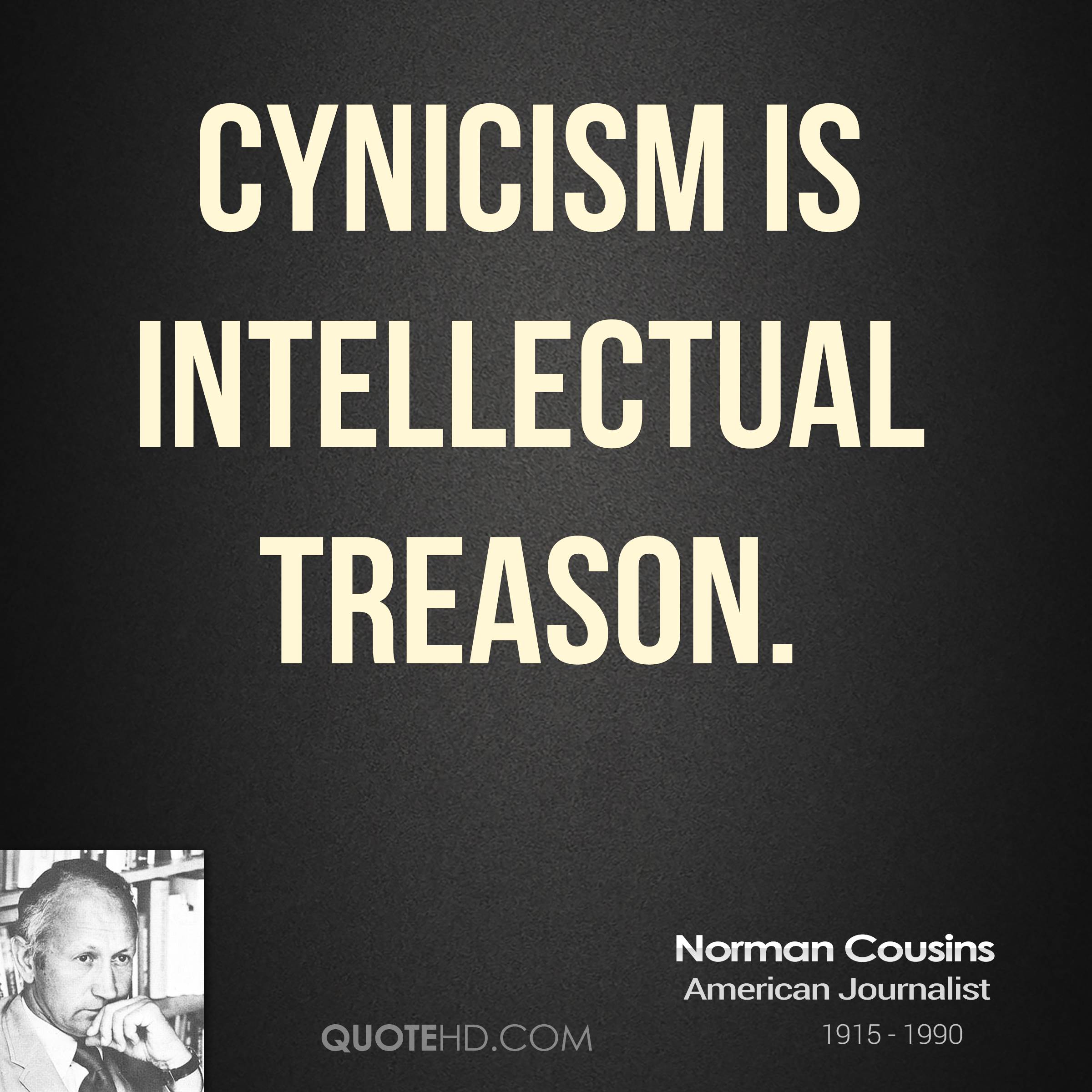
Cynicism can be pro-freedom, spurring resistance rather than resignation. Citizens should be cynical when politicians endlessly absolve themselves for all the damage they inflict on America. Citizens should be cynical when politicians propose sweeping new federal programs to replace disgraced boondoggles. How can anyone be too cynical about Trump’s promise to send each American adult $5000 if the Republicans maintain control of Congress?
Regardless of who wins on Tuesday, Washington politicians will continue wasting hundreds of billions of dollars every year and ravaging the value of the U.S. dollar. They will continue bankrolling federal agencies that trample the Constitution and they will perpetuate policies that pointlessly drag America into foreign conflicts.
Regardless of who wins on Tuesday, neither Republicans nor Democrats deserve any honeymoon from cynicism. The more cynical Americans become, the less power politicians can seize.



No comments yet.