
Never Forget Federal Marijuana Frauds
 by James Bovard
For more than 50 years, the federal government shamelessly pretended that marijuana had no recognized medical use. Last , President Trump signed an executive order entitled, “Increasing Medical Marijuana and Cannabidiol Research.” Trump ordered the Attorney General and the Drug Enforcement Administration to speed up rule-making to finally enable far more medical research on the benefits of marijuana.
On , Acting Attorney General Todd Blanche announced that henceforth all “FDA-approved marijuana-derived products” and “State-licensed medical marijuana products” are immediately shifted from Schedule 1 to Schedule 3, a far less restrictive federal regulatory regime.
Of course, libertarians want to see all federal restrictions on marijuana abolished. The nearly 100-year federal war on the loco weed has been a disgrace and a failure from the start.
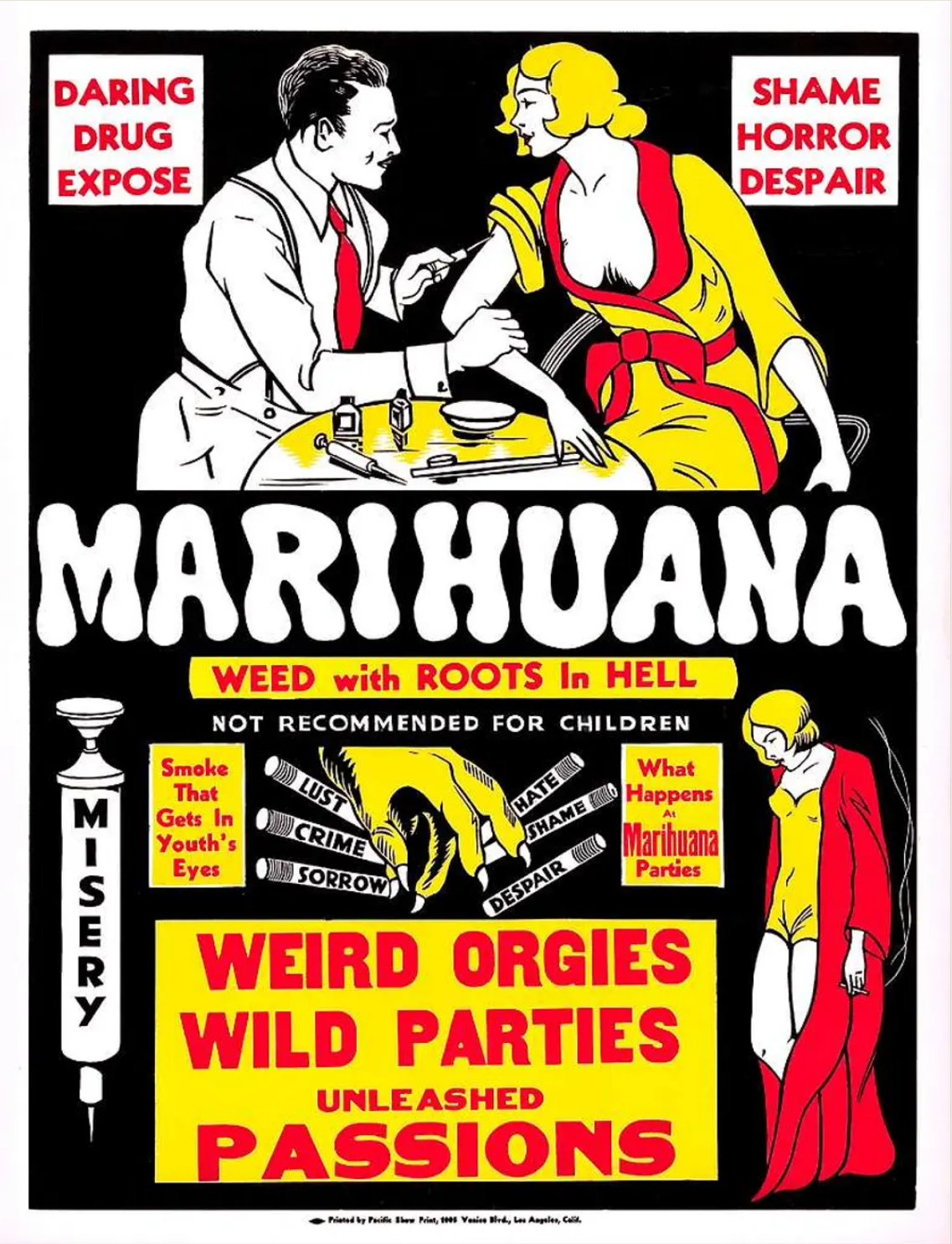
But the long history of federal persecution of marijuana users, researchers, and growers provides a high-potency kick on the perils of federal intervention to purportedly protect Americans’ health.
During the 1920s, the U.S. Department of Agriculture encouraged farmers to grow cannabis to boost their sagging incomes (hemp was used for such things as paper and rope). Marijuana also grew in popularity during the 1920s as a result of Prohibition, which inflated the price of alcohol by curtailing its availability.
During the Great Depression, Mexican immigrants surged into the United States searching for work and brought marijuana with them. Hostility toward the immigrants led to the Marijuana Tax Act of 1937, which effectively criminalized the possession of marijuana and, according to Yale professor David Musto, “mostly put a lot of jazz bands in jail.”
Criminalizing marijuana
Harvard Professor of Psychiatry Lesther Grinspoon notes, “Between 1839 and 1900, more than a hundred articles on the therapeutic uses of marijuana appeared in scientific journals. As late as 1937, extract of cannabis was still a legitimate medicine marketed by drug companies.” The American Medical Association testified at hearings that year urging that marijuana not be effectively banned. Unfortunately, Congress — bowing to the exhortations of the Federal Bureau of Narcotics — proclaimed in 1937 that marijuana had no medical value. Congress effectively prohibited any use of marijuana for ailing Americans. But simply because a majority of congressmen say something doesn’t make it true.
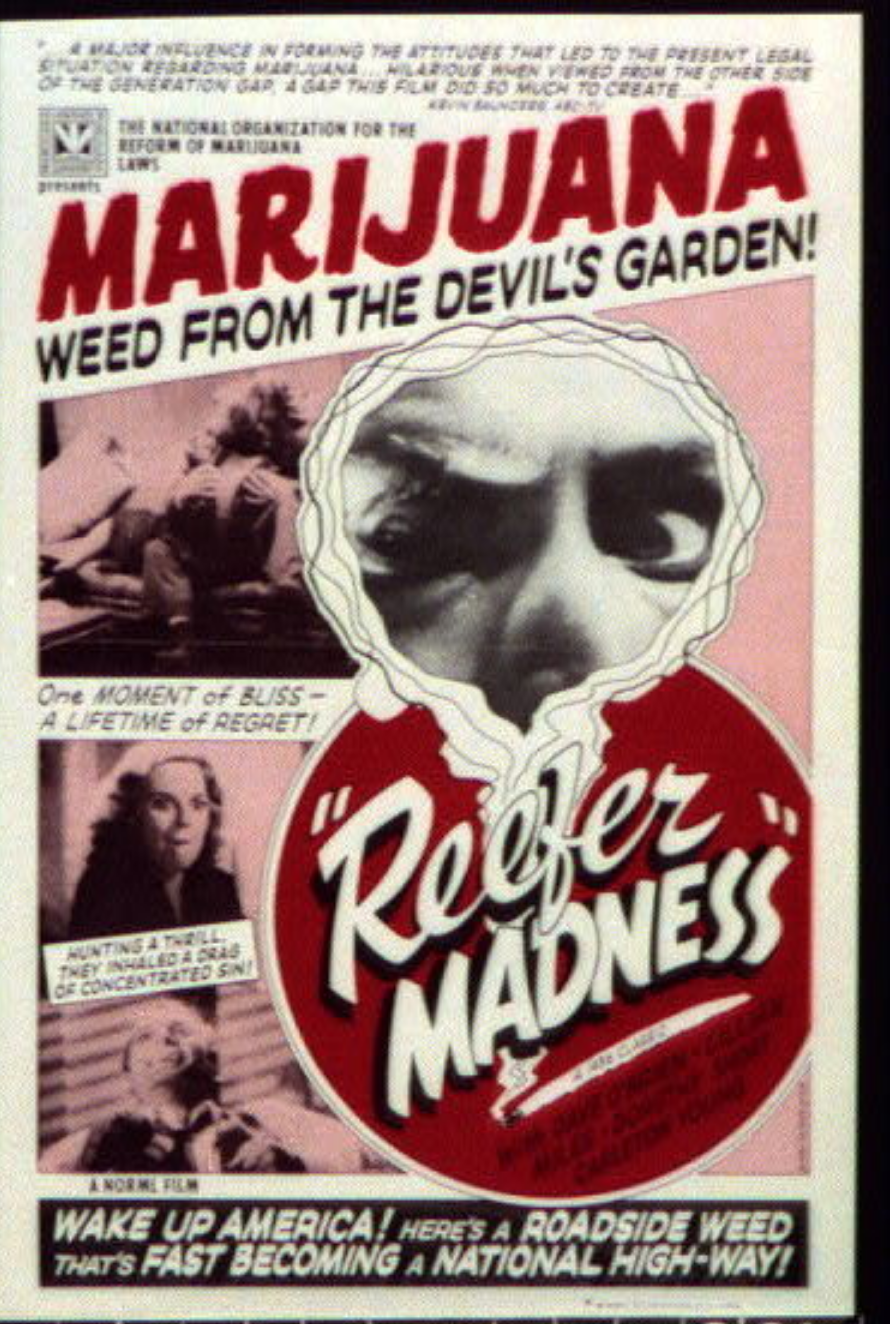
In 1972, the National Organization for the Reform of Marijuana Laws (NORML) petitioned the federal Bureau of Narcotics and Dangerous Drugs to reclassify marijuana and recognize its medical uses. The director of the agency refused to consider the petition. NORML took the case to a federal appeals court, which issued a ruling that admonished the agency for rejecting the petition without “a reflective consideration and analysis.”
In 1975, NORML sued the Drug Enforcement Administration (the successor agency to the Bureau) to force the agency to evaluate the evidence on whether Americans should have access to marijuana strictly for medicinal purposes. DEA held a hearing, and a DEA administrative law judge found some merit on some of NORML’s positions. But the chief of the DEA overturned those aspects of the judge’s decision.
In 1977, a federal court of appeals criticized the DEA’s final order and ordered the agency to reconsider the evidence for the medical benefits of marijuana.
In 1982, NORML petitioned the federal appeals court to force the DEA to follow the court’s previous orders. That same year, the National Academy of Science’s Institute of Medicine concluded: “Cannabis and its derivatives have shown promise in the treatment of a variety of disorders, [including] glaucoma, asthma, … and in the nausea and vomiting of cancer chemotherapy.”
In 1986, a DEA administrative law judge launched an extensive evaluation of the evidence for marijuana. DEA judge Francis Young spent two years conducting hearings and listening to scores of expert witnesses. Young ruled in 1988: “The marijuana plant is anything but a new drug…. Uncontroverted evidence in this record indicates that marijuana was being used therapeutically by mankind 2,000 years before the birth of Christ. The evidence in this record clearly shows that marijuana has been accepted as capable of relieving the distress of great numbers of very ill people and doing so with safety under medical supervision. It would be unreasonable, arbitrary and capricious for a DEA to continue to stand between those sufferers and the benefits of this substance in the light of the evidence of this record.”
How did the DEA respond to the evidence? DEA administrator John Lawn denounced the judge’s finding as a “cruel and dangerous hoax” and refused to accept the judge’s ruling. Lawn announced that the agency would only allow medical use of marijuana if it had already “currently accepted medical use.” And since DEA forbid any doctors from prescribing marijuana for medical use, that somehow meant that the agency must continue to ban its use in the future.
NORML sued again, appealing to a federal court to force the DEA to accept the recommendations of its own administrative law judge, and the court again compelled the DEA to reexamine the issue.
In , the DEA “reconsidered” and announced that it was right all along and that it would continue to ban any medical use of marijuana. DEA chief Robert Bonner decreed: “Lay testimonials, impressions of physicians, isolated case studies, random clinical experience, reports so lacking in details they cannot be scientifically evaluated and all other forms of anecdotal proof are entirely irrelevant.” Bonner got warmed up and showed some of the fervor that is the pride of DEA: “Beyond doubt, the claims that marijuana is medicine are false, dangerous and cruel. Sick men, women and children can be fooled by these claims and experiment with the drug. Instead of being helped, they risk serious side effects.” Bonner acknowledged that he based his findings on the same testimony and documents that led DEA Administrative Law Judge Young to an opposite conclusion four years earlier.
As Harvard psychiatry professors Lester Grinspoon and James Bakalar noted at that time, “The Government’s real concern is not that marijuana is ineffective as a medicine, but that it is too effective. The Government cannot acknowledge any of this because it has vastly exaggerated the dangers of marijuana for more than 50 years and is still committed to its war against the drug.”
California’s Proposition 215
Clinton’s drug czar General Barry McCaffrey effectively claimed to be a wiser scientist than all the experts who researched marijuana’s effects. On , 1996, while campaigning in California against Proposition 215, which would have legalized the medical use of marijuana, McCaffrey declared: “There is not a shred of scientific evidence that shows that smoked marijuana is useful or needed. This is not science. This is not medicine. This is a cruel hoax.” On , 1996, when asked by a CNN reporter “is there any evidence … that marijuana is useful in a medical situation?” McCaffrey responded: “No, none at all. There are hundreds of studies that indicate that it isn’t.” McCaffrey ridiculed claims of marijuana’s benefit as “Cheech ‘n’ Chong medicine.”
After voters passed the proposition, the drug czar’s office put out a press release warning: “The passage of [Proposition 215] creates a significant threat to the drug control system that protects our children…. The decision to bring appropriate criminal or administrative enforcement action will be, as always, decided on a case-by-case basis.” McCaffrey’s warning sparked a vision of a DEA agent lurking underneath the desk of every doctor.
Federal judge Fern Smith issued a preliminary injunction on , 1997, prohibiting the feds from punishing doctors: “The government’s fear that frank dialogue between physicians and patients about medical marijuana might foster drug use … does not justify infringing the First Amendment…. [T]his case is about the ability of doctors, on an individualized basis, to give advice and recommendations to bona fide patients suffering from serious, debilitating illnesses regarding the possible benefits of personal, medical use of small quantities of marijuana.”
Clinton administration officials sneered at marijuana referendum results. Attorney General Janet Reno declared: “I don’t think that the determination as to whether there is a medical, a scientific medical use of marijuana, should be made at the ballot box. I think it should be made in an informed way after appropriate scientific evaluation.” And if government officials chose to ignore all the scientific evidence, then that was merely political science.
Pressure toward reform
The federal government in 1978 began a program providing marijuana directly to a small number of people with illnesses that undeniably benefited from consuming marijuana, such as glaucoma and epilepsy. But the George H.W. Bush administration closed the program to any new entrants in 1992 after only eight people were certified — even though hundreds of thousands of people suffered from the same illnesses. The Clinton administration refused to reopen the program to new sufferers. The Justice Department, in a 1999 brief, declared: “It became clear that the potential widespread use of marijuana for ‘medical’ purposes under the program … was bad public policy.” According to the Justice Department, the first requisite of good public policy is to pretend that individual citizens do not exist.
In 1997, the CBS situation comedy Murphy Brown featured star Candice Bergen suffering from the aftereffects of chemotherapy. A friend provided her with some marijuana. DEA chief Thomas Constantine denounced CBS for “doing a great disservice” by “trivializing drug abuse” and “pandering to the libertarian supporters of an `open society’ and to the myths of legalization.” Constantine barked: “I am extremely troubled that at a time when teenage drug abuse is doubling … a television show of the caliber of Murphy Brown would portray marijuana as medicine. It is not medicine…. More dangerously, the show sends the message to our children that marijuana must be OK because it’s medicine.” Constantine promised to investigate “if any laws were broken” by broadcasting that show.
Clinton’s drug policy was haunted by the specter of emaciated chemotherapy patients desperately needing something to stop their vomiting and fire their appetites. And nothing works better for this than smoking marijuana. The feds approved pills with THC, the active ingredient in marijuana; however, pills are scant help to someone heaving their guts.
Bluster from Washington political hacks failed to stop the cascade of new scientific evidence on the medicinal benefits of marijuana:
- A 1997 study performed on animals at the University of California at San Francisco found that cannabinoids (the active ingredient in marijuana) can be an effective reliever of pain without the adverse side effects of opiates.
- The American Journal of Psychiatry reported in 1999 that German researchers successfully used the major psychoactive ingredient in marijuana to treat Tourette’s Syndrome (a complex neuropsychiatric disorder characterized by sudden spasms).
- The Proceedings of the National Academy of Sciences reported in 1998 that marijuana may protect brain cells during a stroke.
- British researchers revealed in 2000 that a marijuana compound was very effective in helping control the muscle spasms that afflict people with multiple sclerosis.
Clinton administration officials suppressed research results of United Nations affiliates that embarrassed the U.S. drug war. The World Health Organization (WHO) completed a major study of marijuana’s effects in 1997. The draft of the final report included a comparison of the adverse effects of cannabis with alcohol and tobacco. However, the WHO, bowing to pressure from the U.S. government and other drug warriors, suppressed that chapter. New Scientist, a British magazine, acquired a copy of the study and reported that in five out of seven categories of long-term health damage, alcohol was judged more harmful than marijuana. The report also observed that “in developed societies, cannabis appears to play little role in injuries caused by violence, as does alcohol.”
Obama’s prosecutions
In 2008, Democratic presidential candidate Barack Obama appeared to pledge an end to the persecution of medical marijuana users and providers: “What I’m not going to be doing is using Justice Department resources to try to circumvent state laws on this issue.” Regardless, the Obama administration brought almost twice as many prosecutions against medical marijuana providers and users as did the George W. Bush administration. Rob Kampia, executive director of the Marijuana Policy Project, complained in 2012 that “Obama has become more hostile to medical marijuana patients than any president in U.S. history.” A 2012 Time magazine analysis noted that the DEA “has made it clear that medical marijuana is not medicine, and even called it a ‘mortal danger.’”
Obama’s repression of medical marijuana coincided with an explosion in abuse of prescription painkillers. A 2016 federal report estimated that 38 percent of adults had used prescription painkillers in the previous year, resulting in 19,000 deaths (more than the national homicide total). Medical marijuana is a proven pain killer, but the Obama administration (supported by pharmaceutical companies’ campaign contributions and lobbying) scorned it. The National Institute on Drug Abuse torpedoed a 2011 research project testing whether “marijuana helps combat veterans with their post-traumatic stress disorder.”
“When you mix politics and science, you get politics,” observed historian John Barry. Generations of politicians and bureaucrats were willing to scorn scientific research to score “tough on crime” points. The ruling class was perpetually more interested in controlling Americans than in permitting citizens to find relief for all that ailed them. Anyone with an illness or malady that marijuana could help became merely collateral damage in the war on drugs. But as historian Thomas Macaulay observed in 1839, “It is mere foolish cruelty to provide penalties which torment the criminal without preventing the crime.”



No comments yet.